
Dog Hiking Boots: Best Picks, Sizing, and When You Need Them
Gear & Hound is reader-supported. As an Amazon Associate we earn from qualifying purchases. When you buy through links on this page, we may receive an affiliate commission at no additional cost to you. Our editorial picks are independent of commercial relationships.
Dog hiking boots are one of the most over-recommended and under-justified pieces of gear in the outdoor-pet category. Most healthy adult dogs, on most trails, do not need them. Paw pads are evolved load-bearing surfaces — keratin layers that thicken with use, drain heat through the metatarsal pads, and grip rock and root better than any rubber sole sold for them.
Boots earn their place in four situations: surfaces hot enough to burn, snow with chemical de-icers, terrain sharp enough to lacerate, and pads already compromised by injury, allergy, or surgery. Outside those, boots usually introduce more problems than they solve — heat retention, altered gait, and the “lifting each paw and shaking” routine that defines the first hour of wear.
This guide is structured around the brand-published specs that actually decide whether a boot works: sole material, outer fabric, closure system, paw-width sizing, and water resistance. Everything else is decoration.
When dog hiking boots actually matter
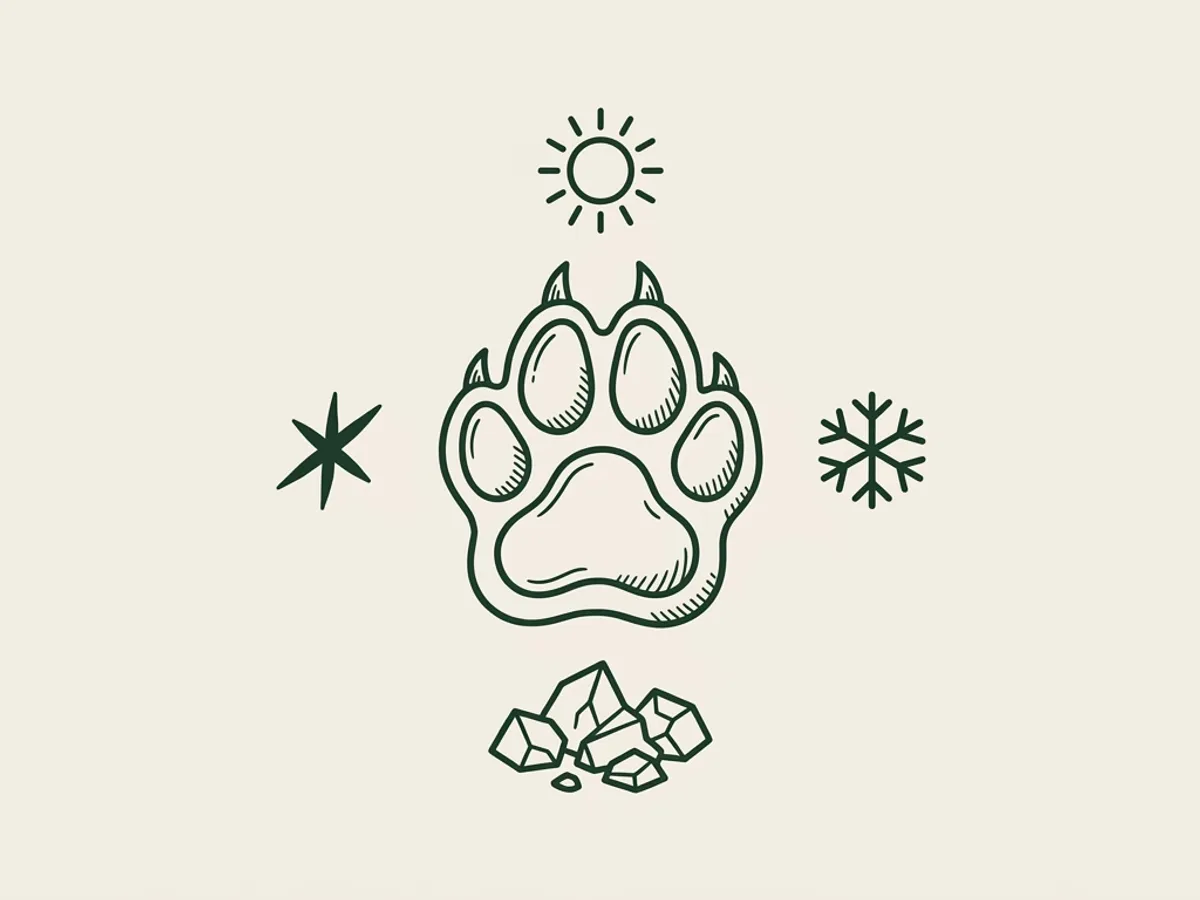
Four scenarios justify the category.
Hot surfaces. Asphalt and dark rock at 140°F will blister an unprotected pad in under a minute. 85°F air in direct sun produces 140°F asphalt; 90°F air pushes pavement past 150°F. The seven-second rule: hold the back of your hand to the surface for seven seconds. If you can’t, the dog shouldn’t walk on it. Rerouting to grass, dirt, or pre-dawn hours is usually a better answer than boots.
Snow with road salt and chemical de-icers. Calcium chloride and magnesium chloride — the standard urban ice melts — are caustic to pads and toxic when licked off. Boots also prevent ice-ball accumulation between the toes, which on long winter hikes becomes a real injury vector. This is where winter-rated boots like the Ruffwear Polar Trex earn their price.
Rocky, glass-strewn, or sharp gravel terrain. Volcanic scree, sharp shale, urban broken glass, and post-construction gravel can lacerate pads that handle natural trails fine. The same dog who runs a forest path barefoot for years can split a pad on one step across a parking-lot expansion joint.
Compromised pads. Allergies, post-surgical recovery, chronic dermatitis, or a recent laceration change the calculus. A healing pad cannot be conditioned by use. Boots become a medical device.
For everything else — moderate temperatures, dirt and pine duff, ordinary rock — most healthy adult dogs are better off barefoot. The way to know your dog needs boots is not that a brand says so; it’s that you’ve seen the pad bleed, blister, or refuse to bear weight, or the conditions ahead clearly meet one of the four cases above.
What to look for
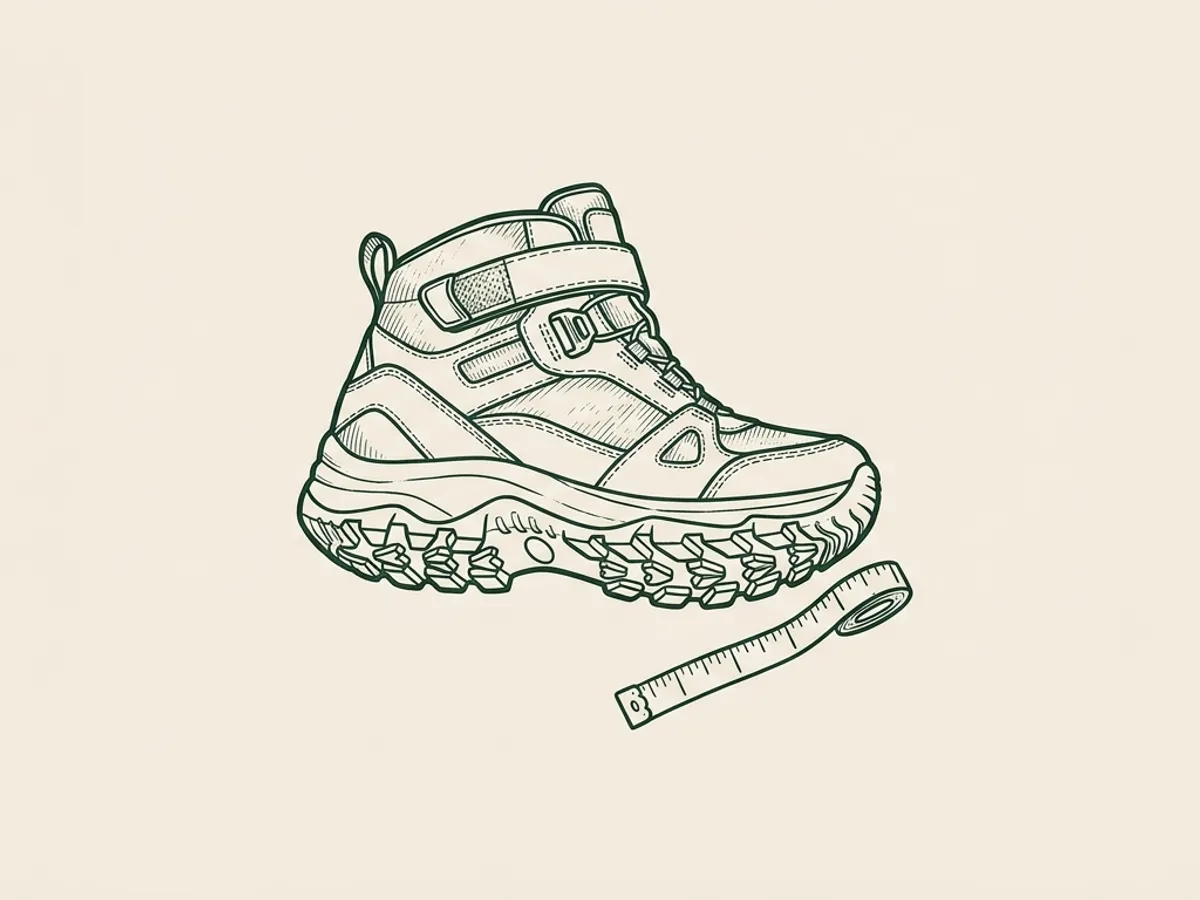
Sole material. Three tiers. Rubber-and-EVA blends dominate the budget end — adequate on dry surfaces, mediocre on wet rock. Solid rubber lugs sit in the middle, with deeper tread and more abrasion resistance. Vibram-branded rubber — used by Ruffwear’s Grip Trex and Polar Trex — is the outdoor-incumbent compound: harder durometer for durability, lug geometry tuned for mixed terrain. Quote the brand’s exact sole claim; don’t assert traction the brand doesn’t.
Outer material. Cordura nylon and ripstop are durable for rocky terrain. Nylon mesh runs cooler but tears on sharp edges. Neoprene seals heat in — useful for water and winter, miserable on warm trails. Leather hybrids show up at the premium end; they break in like human boots and last longer if cared for.
Closure. Hook-and-loop (Velcro) is the standard, usually a single cuff strap or a double-cinch system. Drawstring-and-toggle closures appear on budget models and are less secure on active dogs. The closure that matters is the one above the dewclaw — a boot that rotates off on the first creek crossing is worse than no boot. Double-cinch designs hold position meaningfully better on long hikes.
Sizing — paw width in inches, not S/M/L. Every serious brand publishes a paw-width chart in inches or millimeters. Measure the weight-bearing paw on a hard floor — the spread is wider than at rest. Use the brand’s chart, and don’t assume size consistency across brands. A Ruffwear medium is not a QUMY medium.
Water resistance. Brand language matters. “Waterproof” implies sealed seams; “water-resistant” implies a surface treatment that sheds splashes; “breathable” implies the boot vents heat at the cost of water sealing. Quote the brand phrase exactly. Stream crossings will wet the inside regardless.
Indication. The brand tells you what it built the boot for. Snow boots are not summer boots. Read the intended-use language before buying.
Pack quantity. Some brands sell sets of four; others sell two pairs as a single package; a few sell individual pairs and require buying twice. Confirm on the listing.
Our editorial picks
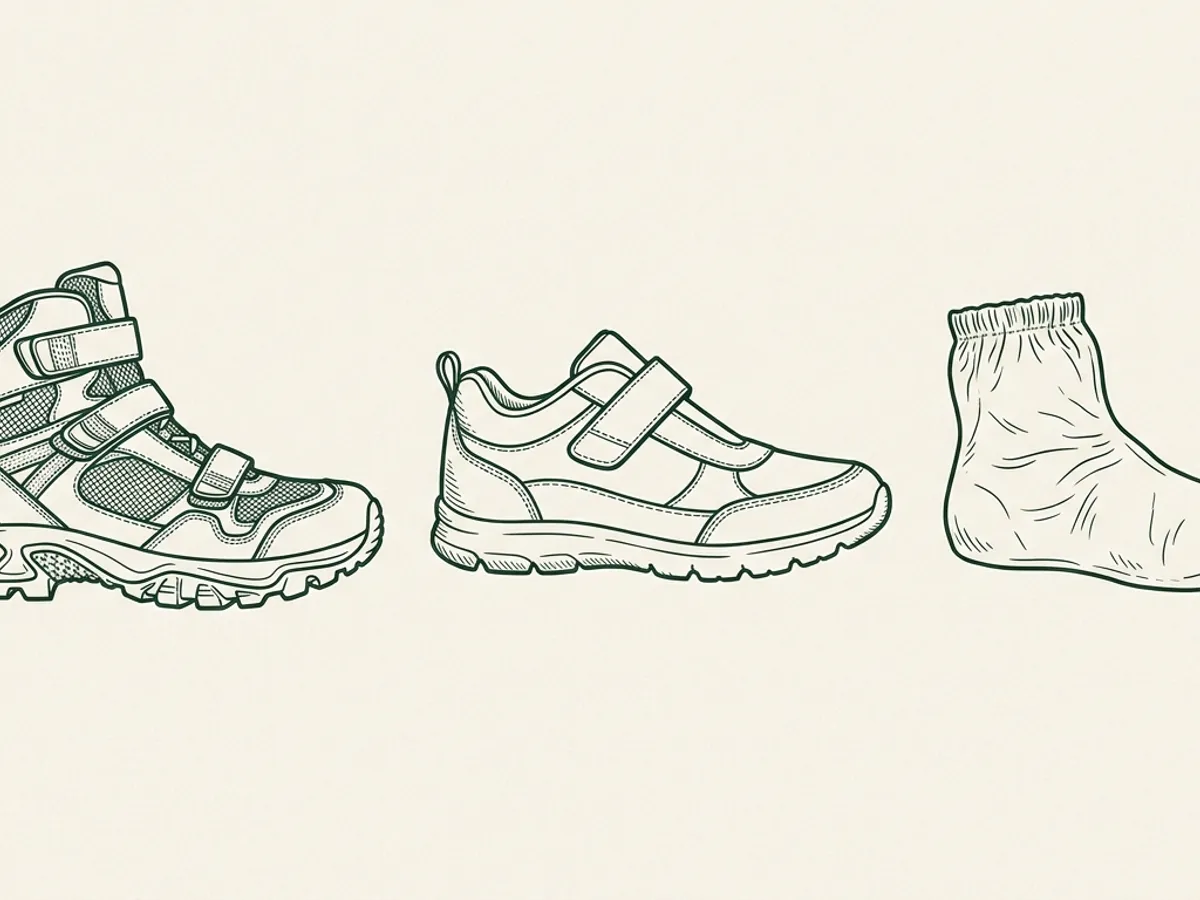
Editorial incumbent: Ruffwear Grip Trex
The Grip Trex is the category’s reference point. Vibram-branded rubber sole with directional lugs, breathable Cordura upper, hook-and-loop cuff closure, and Ruffwear’s published paw-width chart in millimeters and inches. Sold as a pair, so a full set requires two packs — verify on the listing.
Use case per Ruffwear: rugged trails, hot pavement, and abrasive terrain. Confirm current sizing and pack quantity on Ruffwear’s product page.
Winter and snow: Ruffwear Polar Trex
The winter-specialty sibling. Insulated upper, Vibram Icetrek sole compound for cold-weather grip, taller cuff to keep snow and ice melt out. Indicated by Ruffwear for snow and ice — not a year-round boot.
Ruffwear Polar Trex on Amazon.
Best fit: winter hikers, urban dogs walking on chemically treated streets, snow-country working dogs. Overkill for three-season trail use.
Popular Amazon mid-price: QUMY Dog Boots
QUMY is the Amazon-search default in the mid-price tier — anti-slip rubber sole, reflective hook-and-loop straps, four-boot pack (verify current pack count). Marketed for hot pavement, hard ground, and moderate trail. Sizing runs by sole-width inches. Adequate for casual hikes, not multi-day backcountry.
Budget option: Petacc Outdoor Dog Boots
The budget shelf — anti-slip rubber sole, water-resistant upper, hook-and-loop closure. Best fit: a first set for a dog whose boot tolerance is unknown, or short pavement protection. Don’t push it into multi-hour rocky-trail use. Verify current materials and pack quantity on the listing.
Petacc Outdoor Dog Boots on Amazon.
Casual everyday: My Busy Dog Water Resistant Boots
The Amazon-popular casual option — rugged anti-slip sole, water-resistant outer, double-stitched construction, split-seam upper for easier paw entry. Often sold as a four-boot pack; confirm on the listing. Best for rain, wet grass, urban use, moderate trail.
My Busy Dog Water Resistant Boots on Amazon.
Budget pick: Hi Kiss Dog Boots
The sub-$20 shelf — anti-slip rubber sole, mesh-and-nylon upper, hook-and-loop closure. Adequate for short pavement protection and brief trail use. The fabric runs lighter than QUMY or My Busy Dog.
Reflective trim option: Kurgo Blaze Cross Dog Shoes
Kurgo’s hiking-shoe entry adds reflective trim to a closed-toe boot, which matters for dawn and dusk trail use. Rubber sole, hook-and-loop closure, published sizing chart. Confirm the current model name on Kurgo’s product page — the boot lineup has shifted naming across versions.
Kurgo Blaze Cross Dog Shoes on Amazon.
Different category, brief mention: Pawz Rubber Disposable Boots
Pawz are not hiking boots. They are single-use natural-rubber balloons that pull onto the paw, sold in packs of twelve, with no sole grip or abrasion resistance. Right tool for urban winter walks with salt and slush; wrong tool for any trail with rock, root, or distance.
Pawz Rubber Disposable Boots on Amazon.
How to fit dog hiking boots
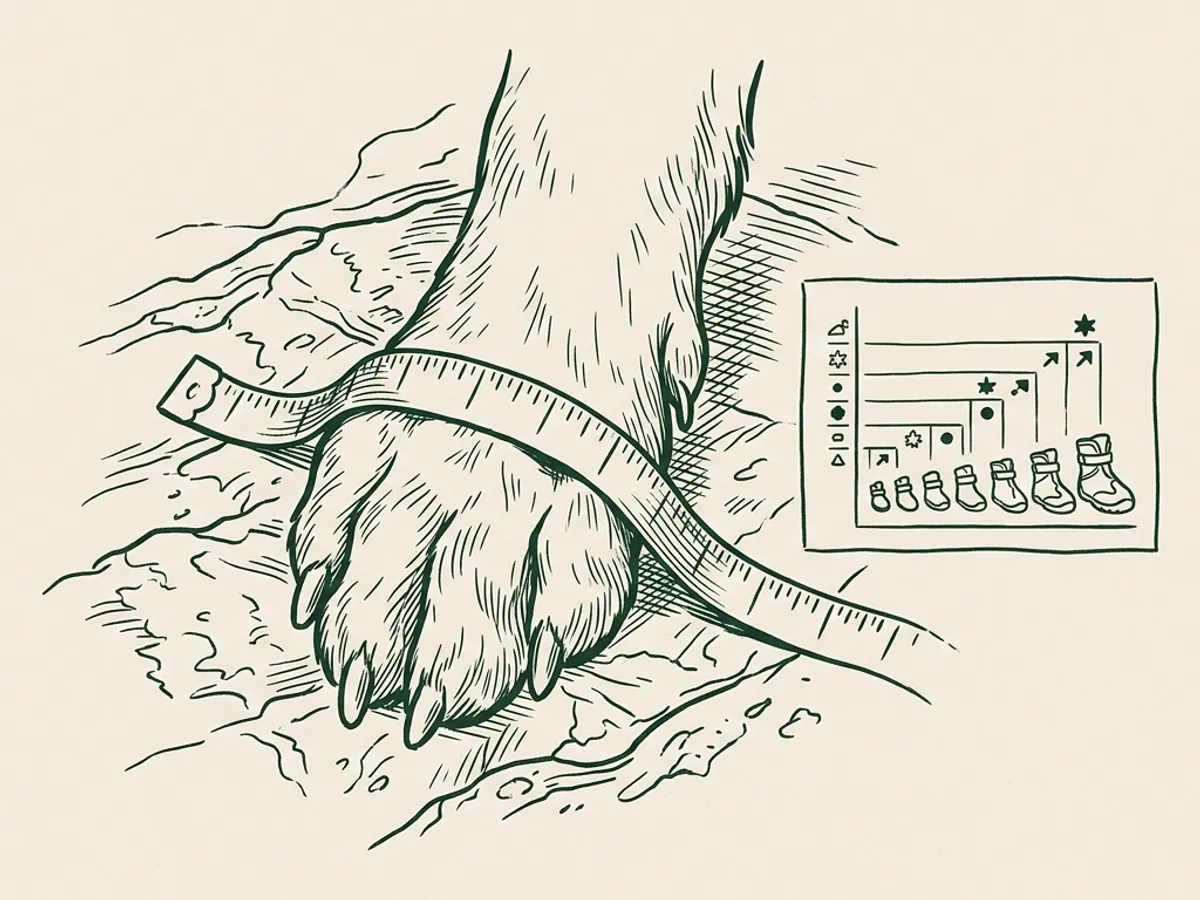
Measure the paw on a hard, flat surface with the dog standing — weight on the paw, not resting. Place the paw on paper, mark the outer edges with a pen held vertical, and measure the width across at the widest point. Use the chart for the brand you’re buying; do not cross-reference. Sizing is genuinely inconsistent — a Ruffwear medium and a QUMY medium are not the same boot.
Break-in is its own protocol. Day one: ten minutes on carpet. Day two: twenty minutes around the house. Day three: a short normal walk. Build up before any meaningful hike. The lifting-and-shaking phase is real — most dogs walk like cartoon characters for the first session and adjust within a few wears. If a dog is still refusing weight-bearing after three or four sessions, the fit is wrong or the boot is the wrong category for that dog.
A correctly fitted boot does not rotate around the paw during normal motion, does not slip past the dewclaw, and does not compress the pad enough to redden the skin after removal. Check the inside of the boot after the first hike for hair pulled out at the cuff — a sign the closure is too tight.
Buying notes and FAQ
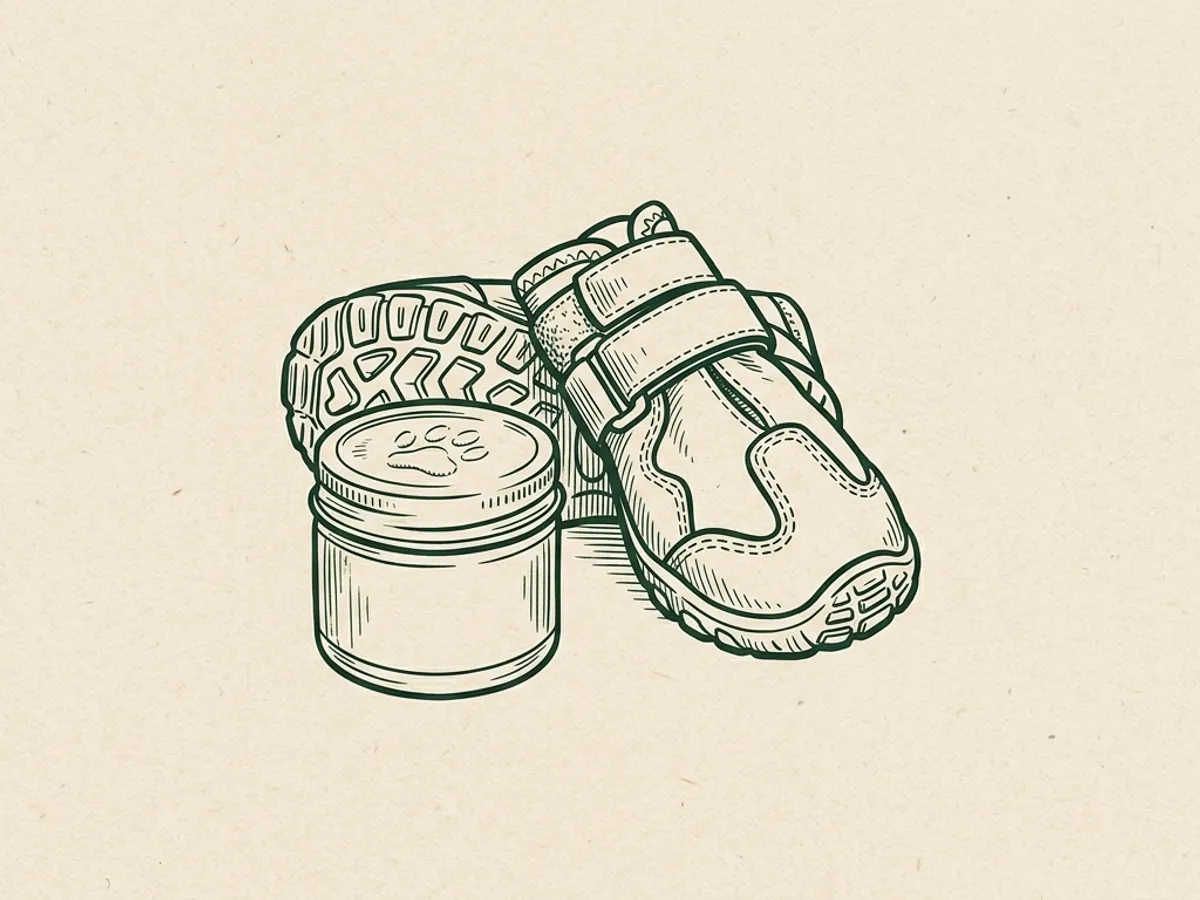
When boots don’t work. Some dogs simply will not tolerate footwear. Several break-in sessions across two or three weeks is a fair test; past that, accept the answer.
Paw wax as an alternative. Musher’s Secret and similar paw waxes coat the pad in a breathable wax barrier against ice melt, hot sand, and mild abrasion. They don’t replace boots for sharp terrain or sub-freezing snow, but they handle a meaningful share of the use cases that send people shopping for boots. The dog doesn’t notice they’re there.
Pairing with a pack. Boots are a paw-protection tool — they don’t replace any other gear. For load-carrying on long hikes, boots pair naturally with a hiking backpack — see our backpack guide for the load-bearing piece of the same kit.
Twilight and low-light hikes. Reflective trim on boots is not enough for visibility. Pair with a dedicated reflective or LED collar — see our reflective dog collar guide and LED dog collar guide.
Care. Rinse boots inside and out after wet or muddy hikes, air-dry inverted, and check hook-and-loop straps for embedded debris. Burrs and grit destroy Velcro faster than wear does.
Editor’s pick
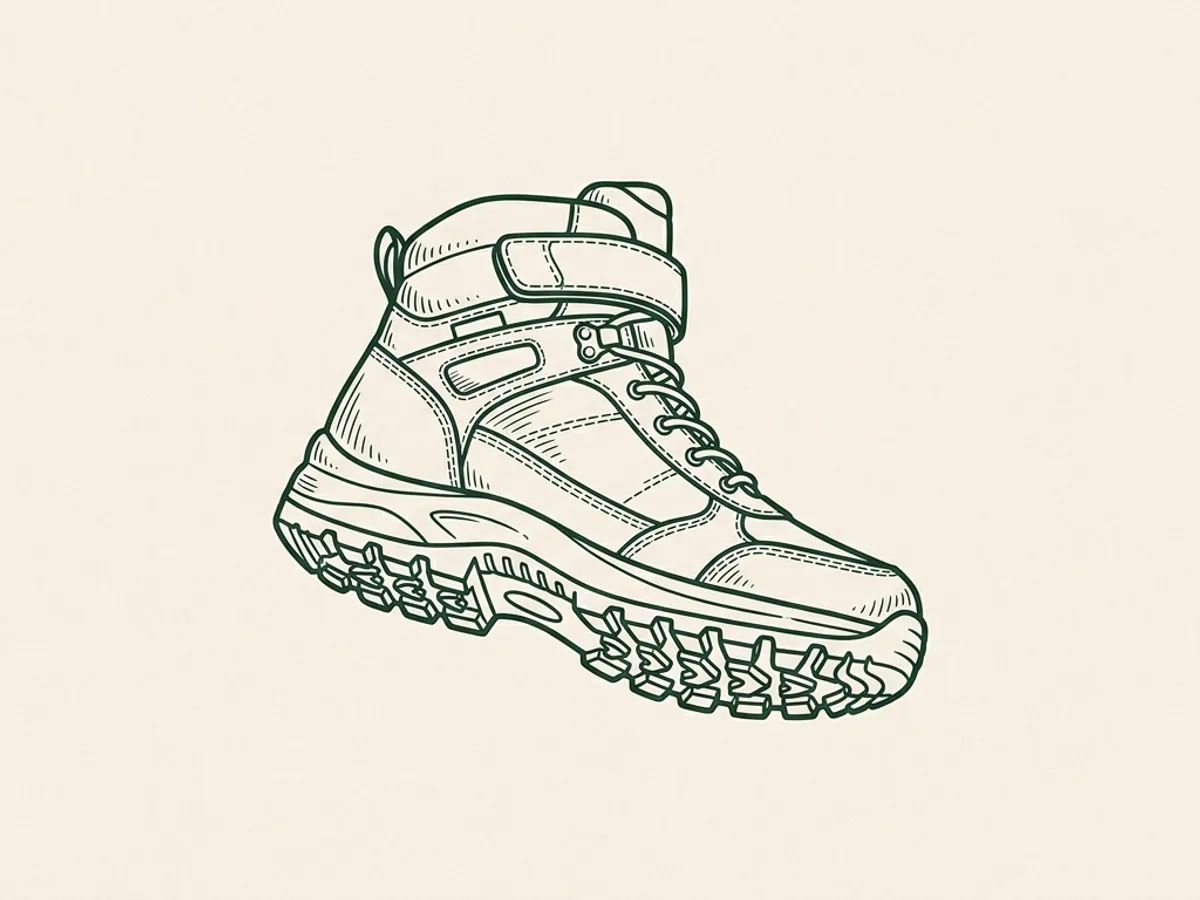
For most hikers reading this — adult dog, mixed terrain, four-season use — the Ruffwear Grip Trex is the recommendation. Vibram-branded sole, the most refined construction in the category, and the clearest published paw-width sizing data anywhere in dog footwear.
Step sideways to the Polar Trex if winter and chemical de-icers are the primary use case. Step down to QUMY if budget is the constraint and the use is pavement-and-casual-trail. Step toward Pawz if the problem is short urban winter walks on salted sidewalks — different tool, different job. Skip the category if your dog is a healthy adult on moderate trails, with no pad injuries, in temperatures the seven-second rule clears.
Measure the paw in inches. Read the brand’s intended-use language. Break the boots in at home. The boot is a tool for a specific job; the paw, for most jobs, is better at being a paw.